Capsule endoscopy is an advanced, non-invasive procedure that uses a tiny wireless camera to capture detailed images of the digestive tract — particularly the small intestine, an area that is difficult to visualise using traditional endoscopy.
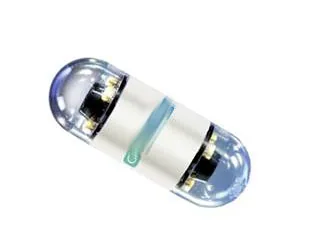
Patients swallow a vitamin-sized capsule containing a miniature camera. As the capsule travels naturally through the digestive system, it captures thousands of high-resolution images that are transmitted wirelessly to a recorder worn on a belt. These images are then reviewed by a specialist gastroenterologist to identify abnormalities with exceptional precision.

Why Is Capsule Endoscopy Done?
- Obscure or unexplained gastrointestinal bleeding
- Iron deficiency anaemia with unclear cause
- Suspected or known small bowel Crohn's disease
- Detection of small bowel tumours or lesions
- Evaluation for coeliac disease in selected cases
- Screening for polyps in certain inherited conditions
During the Procedure
- You swallow the capsule with water
- A lightweight recording device is worn around your waist
- The capsule takes thousands of images as it moves naturally through your digestive tract
- Normal light activities are usually permitted during the recording period
The capsule is disposable and passes naturally through the body.
Benefits of Capsule Endoscopy
- Non-invasive and comfortable
- No sedation required
- Detailed imaging of the small bowel
- Improved detection of bleeding sources and inflammation
- Supports early diagnosis and targeted treatment planning