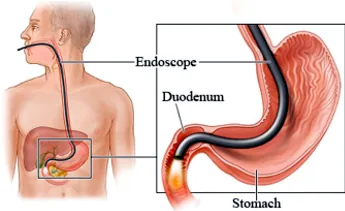
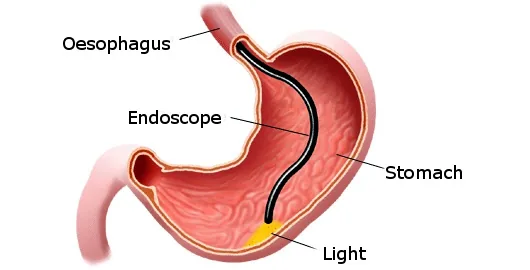
Gastroscopy — also known as upper endoscopy — is a minimally invasive procedure that allows your gastroenterologist to examine the oesophagus, stomach, and second part of the small intestine (duodenum) using a high-definition camera on a thin flexible tube.
Gastroscopy procedures are performed by our specialists using advanced endoscopic technology combined with specialist expertise, ensuring accurate diagnosis, patient comfort, and premium-quality care throughout your journey.
Why Is Gastroscopy Done?
Gastroscopy provides detailed visual assessment of the upper digestive tract. Your specialist may recommend gastroscopy to:
- Investigate persistent heartburn or reflux (GORD)
- Assess difficulty swallowing (dysphagia)
- Evaluate unexplained nausea or vomiting
- Investigate iron deficiency anaemia
- Diagnose abdominal pain or indigestion
- Detect gastrointestinal bleeding
- Monitor Barrett's oesophagus
- Assess suspected ulcers or inflammation
- Screen for precancerous or cancerous changes
Oesophageal & Upper Gastrointestinal Disorders
Our gastroenterologists provide advanced evaluation and management for a range of upper gastrointestinal conditions, including:
- Gastro-oesophageal reflux disease (GORD)
- Barrett's oesophagus
- Achalasia
- Eosinophilic oesophagitis
- Functional upper gastrointestinal disorders
Diagnostic and Therapeutic Benefits
Diagnosis
- Identify inflammation, ulcers, strictures, or tumours
- Detect infections or abnormal tissue
- Collect biopsies for laboratory testing
- Evaluate causes of anaemia or unexplained symptoms
- Coeliac disease
Treatment
- Treat bleeding ulcers or vessels
- Dilate narrowed oesophagus
- Remove polyps
- Retrieve foreign objects
- Treat certain early-stage lesions
Preparation, Procedure & Recovery
Patients will need to avoid eating or drinking for several hours prior, adjust certain medications if advised, and arrange transport home as sedation is involved. The procedure is usually performed under light sedation and takes approximately 10–20 minutes. Following recovery, patients are monitored briefly before discharge. Most resume normal activities the next day.
Possible Risks and Complications
Gastroscopy is generally safe. Rare complications may include bleeding, infection, perforation, and reaction to sedation. Your specialist will discuss risks and benefits prior to the procedure.
Book a Gastroscopy Consultation
If you are experiencing persistent digestive symptoms or require investigation, our team provides comprehensive assessment and advanced endoscopic care. Contact Western Sydney Specialists to arrange a gastroscopy consultation with an experienced gastroenterologist in Bella Vista and Richmond.