Colonoscopy
Advanced examination of the large bowel for diagnosis, screening and prevention
A colonoscopy is a specialised procedure used to examine the lining of the large intestine (colon) and rectum using a flexible tube with a high-definition camera. It allows your specialist to detect inflammation, polyps, bleeding sources, and early signs of bowel cancer.
Our specialists perform colonoscopy using modern imaging technology and contemporary best-practice techniques, prioritising patient comfort, safety, and accurate diagnosis.
What is a Colonoscopy?
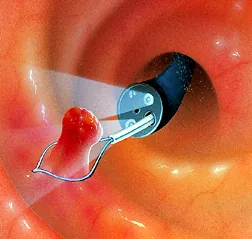
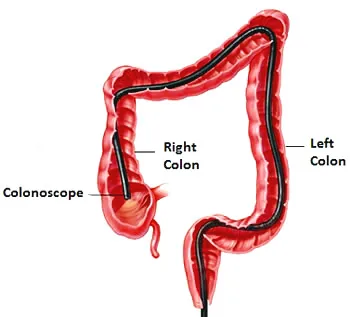
During a colonoscopy, a thin flexible instrument called a colonoscope is gently passed through the rectum to examine the entire colon. The procedure allows your specialist to:
- Visualise the bowel lining in detail
- Detect abnormalities or early cancers
- Remove polyps (precancerous growths)
- Take biopsies (tissue samples) if required
- Treat certain conditions during the same procedure
Because diagnosis and treatment can often occur simultaneously, colonoscopy is considered both a diagnostic and therapeutic procedure.
Why Might a Colonoscopy Be Recommended?
Your specialist may recommend colonoscopy to:
- Screen for bowel cancer
- Investigate rectal bleeding
- Assess unexplained iron deficiency anaemia
- Evaluate changes in bowel habits
- Investigate chronic diarrhoea or constipation
- Assess abdominal pain or unexplained symptoms
- Monitor inflammatory bowel disease
- Follow up previous polyps or abnormal findings
Preparing for a Colonoscopy (Bowel Preparation)
Proper bowel preparation is essential to ensure clear visualisation of the colon and accurate results. Preparation typically involves:
- A special low-residue or clear-fluid diet before the procedure
- Drinking prescribed bowel cleansing solutions
- Adjusting certain medications under medical guidance
Clear instructions will be provided prior to your procedure. Adequate preparation improves diagnostic accuracy and reduces the likelihood of needing repeat procedures.
What Happens During the Procedure?
- Colonoscopy is usually performed under sedation for comfort.
- The procedure typically takes 20–40 minutes.
- Carbon dioxide or air is gently introduced to expand the bowel for better visibility.
- Polyps can often be removed immediately if detected.
Most patients experience little or no discomfort during the examination.
Recovery After Colonoscopy
- You will rest in recovery until sedation wears off.
- Mild bloating or gas may occur temporarily.
- Due to sedation, you will need someone to drive you home.
- Most people return to normal activities the following day.
Your specialist will discuss initial findings and arrange follow-up if required.
Risks and Complications
Colonoscopy is generally very safe when performed by experienced specialists. Serious complications are uncommon but may include:
- Bleeding (especially after polyp removal)
- Infection
- Perforation (a tear in the bowel wall)
- Sedation-related risks
Your doctor will discuss individual risks and answer any questions before the procedure.
Bowel Cancer Screening
Early detection and prevention through specialist colonoscopy
Bowel cancer is one of the most common cancers in Australia, but it is highly preventable and treatable when detected early. Screening allows doctors to identify precancerous polyps or early-stage cancers before symptoms develop.
Why is Bowel Cancer Screening Important?
Many people with early bowel cancer have no symptoms. Screening can:
- Detect cancer at an early, highly treatable stage
- Identify and remove polyps before they become cancerous
- Reduce the overall risk of developing bowel cancer
- Provide reassurance for patients at increased risk
Early detection significantly improves survival outcomes.
Who Should Consider Screening?
- Adults aged 45 and older (based on risk factors)
- People with a positive faecal occult blood test (FOBT)
- Individuals with a family history of bowel cancer or polyps
- Patients with inflammatory bowel disease
- Those with certain genetic risk factors
Your specialist will recommend an individualised screening schedule based on your risk profile.
Supporting Patients Through Screening
We understand that bowel preparation and colonoscopy can feel daunting. Our team provides clear guidance, personalised instructions, and supportive care throughout the process to ensure a smooth and reassuring experience.